Top 5 Momentum Killers
for Medium-to-Large Ecommerce Sites
presented by
Five common “momentum killers” for medium-to-large ecommerce sites – issues that quietly stall growth by eroding trust, reducing discoverability, weakening demand capture, and slowing decision-making.
1. Privacy and Consent Issues
The problem: When consent is unclear, inconsistent, or ignored by tags, measurement breaks and trust erodes. Ad platforms and analytics tools begin operating on partial or non-compliant data, which can distort reporting and create legal exposure.
What it looks like: Consent banners exist, but tags still fire before choice is captured; region-specific rules differ; the datalayer lacks a reliable consent state. Server-side tracking is added before the fundamentals are stable, creating a second layer of confusion.
Quick check: Audit tag firing before and after consent, inspect the CMP vendor list, and verify that consent state is exposed cleanly in the datalayer and respected by all downstream tags.
2. Uncrawlable Resources
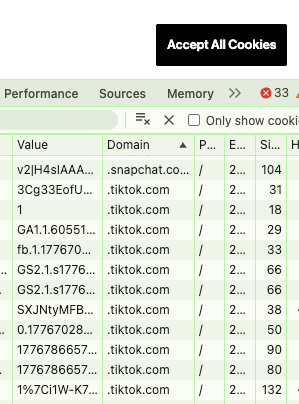
The problem: Important products, collections, and supporting content are blocked from discovery by robots directives, poor internal linking, JavaScript rendering issues, or thin sitemap coverage. If search engines cannot reliably find and render the page, the page cannot contribute to growth.
What it looks like: High-value pages are absent from index or AI citations, parameterized URLs create crawl waste, and category paths rely on scripts that do not resolve cleanly. Indexation lags behind inventory changes, and the crawl budget is spent on low-value pages.
Quick check: Crawl the full category-to-product path, validate robots.txt and canonical rules, and compare submitted URLs with indexed URLs at the template level.
3. Lack of Category Exposure
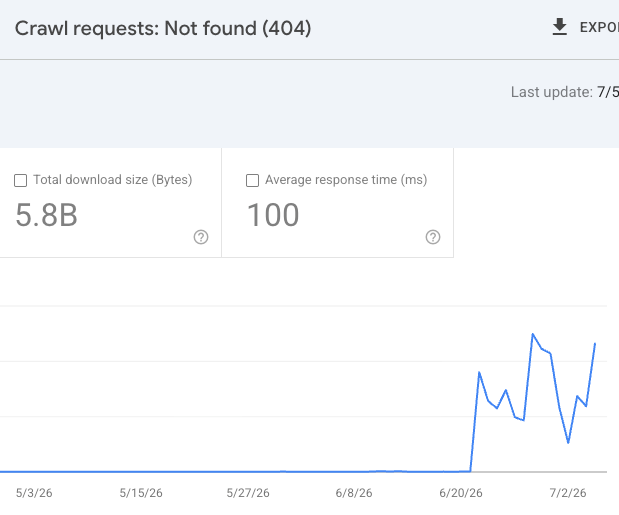
The problem: Merchandising and category architecture often reflect internal taxonomy instead of consumer demand. When the site does not expose product in the language customers search, it leaves demand fragmented and weakens both SEO and navigation.
What it looks like: Generic category pages, duplicate collection concepts, and thin copy that names products but does not explain use cases or brand differentiators. Internal links do not elevate strategic collections, and keyword demand is split across too many near-identical pages.
Quick check: Map search demand to category structure, review collections in navigation and content hubs, and test whether high-intent terms have a clear landing page.
4. Lack of Visibility to Key Issues
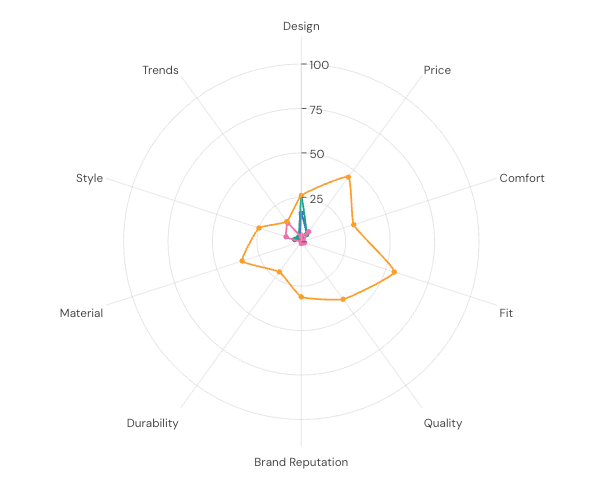
The problem: Many reporting stacks answer basic traffic questions but fail to expose the operational issues that drive margin and conversion. Without one source of truth, teams cannot tell whether a dip is caused by demand, merchandising, stock, checkout friction, or measurement gaps.
What it looks like: Dashboards are fragmented, attribution is unstable, and executives receive summaries that hide the root cause. No one can quickly isolate category performance, inventory impact, device problems, or step-level funnel drop-off.
Quick check: Ask for revenue, conversion, and margin by channel, category, and device; if the team cannot answer cleanly in minutes, the reporting layer needs redesign.
5. Internationalization & Hreflang
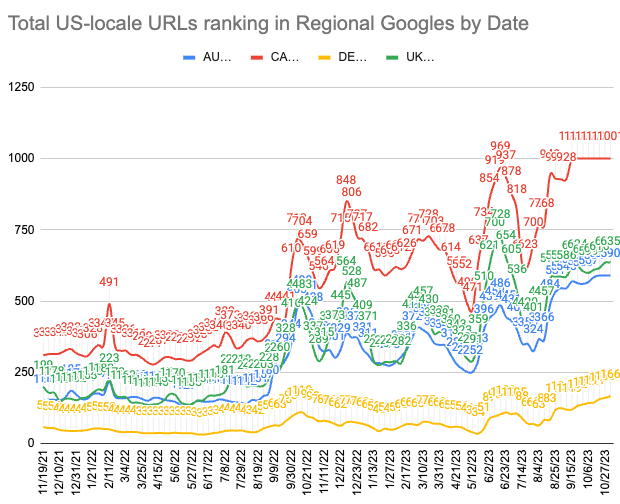
The problem: International sites often accumulate inconsistent locale signals, duplicated translations, and page bloat that confuses both users and search engines. hreflang is especially fragile when canonicals, currency, language, and market targeting are not aligned.
What it looks like: Country pages resolve to the wrong locale, language variants self-canonicalize incorrectly, and regional search results land on the wrong market page. Page weight increases as translation assets and parameters multiply without a disciplined architecture.
Quick check: Validate hreflang clusters, confirm locale canonicals, inspect XML sitemap coverage by market, and test whether each region lands on the correct page in organic search.
Request a free Ecommerce and
MarTech stack checkup
Our diagnostic conversation will highlight areas of immediate opportunity and ideas for long-term strategic goals. We can help you prioritize for maximum ROI.